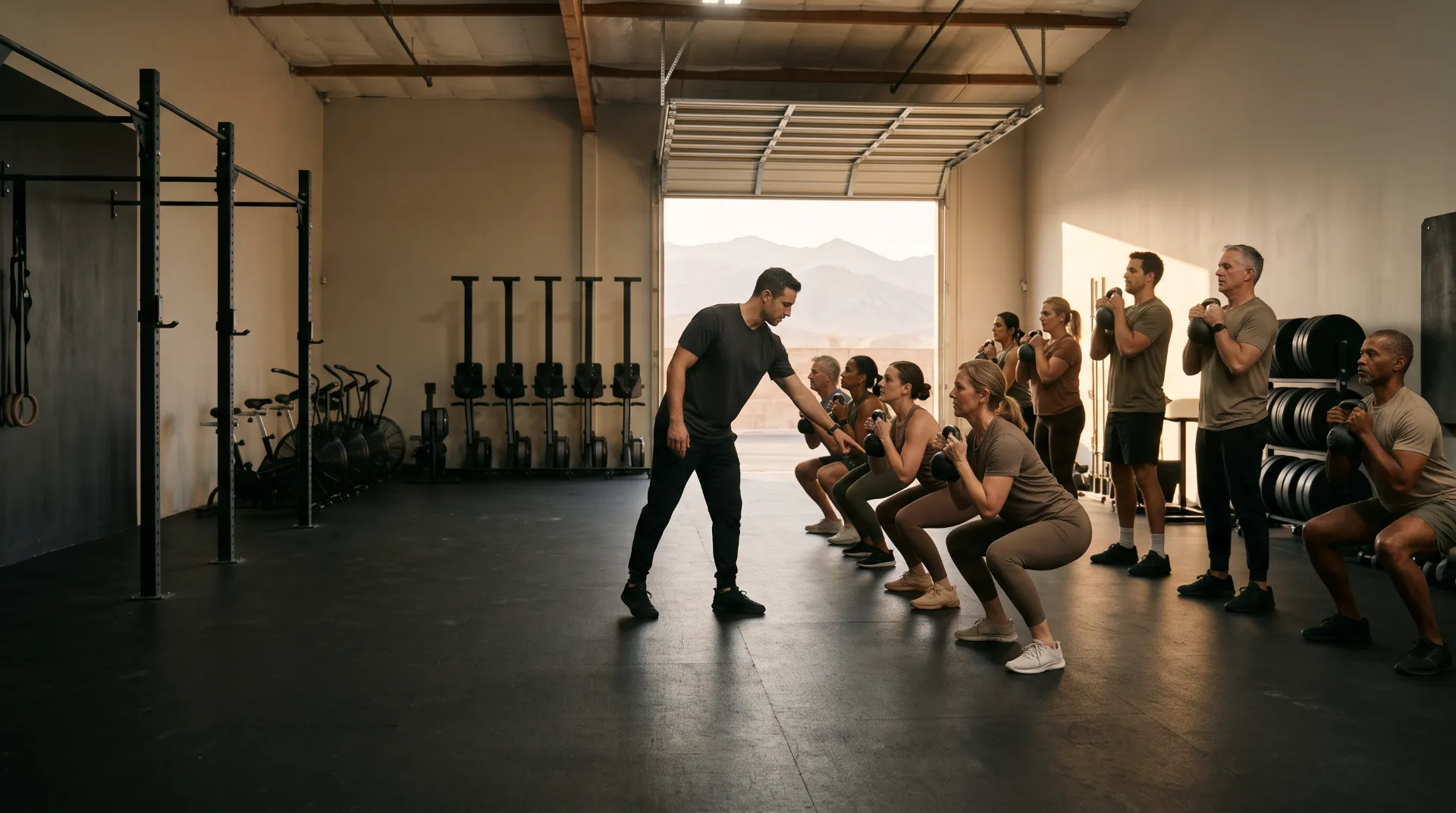
Many beginners assume more workouts automatically mean faster progress. In practice, your body adapts between hard sessions, not just while you are moving a barbell, rower, or kettlebell. Most coaches recommend three to four classes a week for new members, with rest days between hard sessions.
Space Out Hard Sessions
Training every day without a break can leave you feeling flat, stiff, or mentally drained. Taking days off from coached workouts gives your muscles and nervous system room to settle between higher-effort sessions. Whether you choose a 3 Classes a Week plan or pace yourself within Unlimited, building in off days helps you put real focus into the days you do train.
A frequent mistake for newer members is signing up for classes on consecutive days right away because they feel motivated in week one. By week three or four, heavy legs or tired grip can make basic squats, hinges, or pulls feel sluggish. Spacing out classes across the week, such as Monday, Wednesday, Friday, and Saturday, gives your body clear recovery windows.
Sleep, Easy Movement, and Cooldowns
Good recovery is shaped by simple daily habits outside the gym as much as by your schedule. Focus on the basics you can repeat most weeks without overcomplicating things, even when work or household schedules get busy.
- Prioritize sleep: A regular sleep routine supports steady energy and focus for the next day’s movements.
- Keep off days easy: Light walking or relaxed movement on rest days feels very different from another high-output workout.
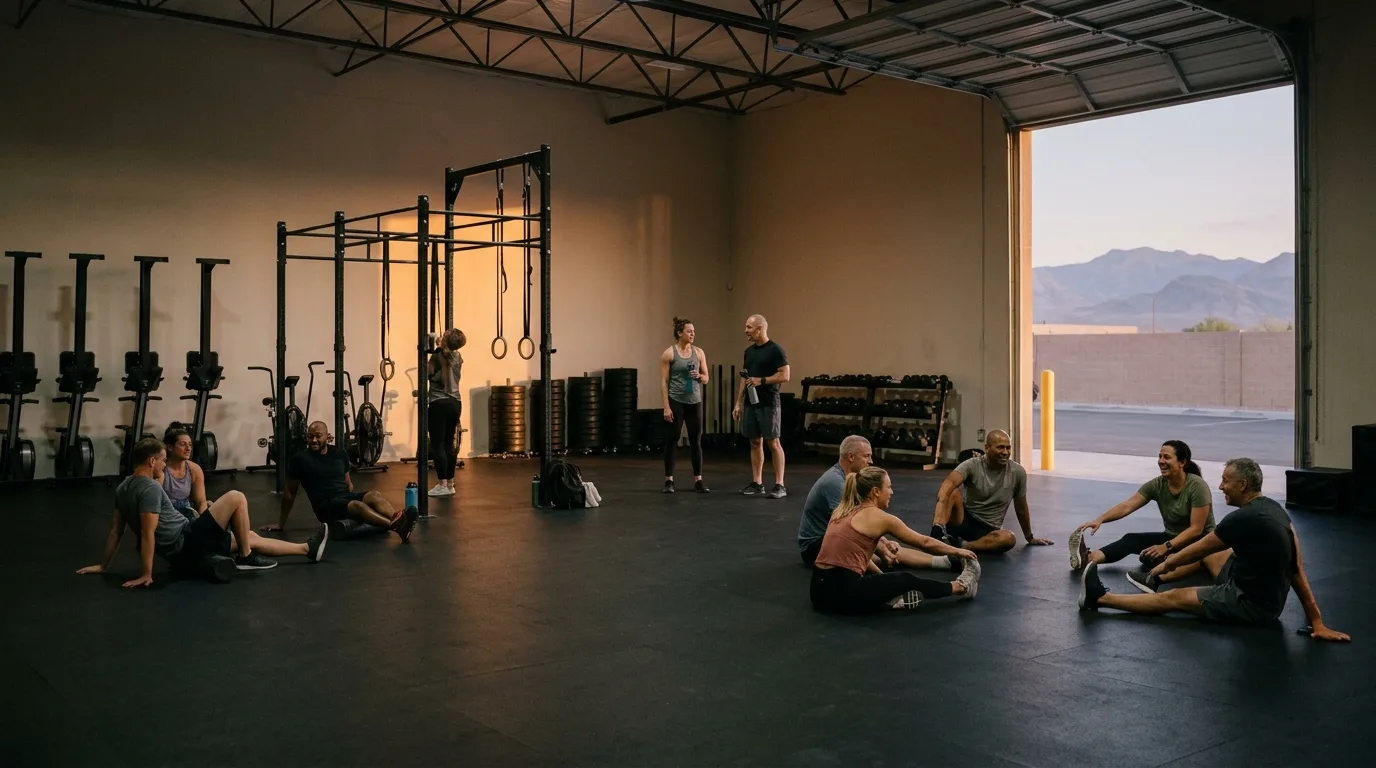
- Stay for the cooldown: Every 60-minute group class finishes with a cooldown and mobility block to help you transition out of the main workout.
- Respect limits: Coaches do not provide medical care, diagnose, or rehabilitate injuries, so check with your healthcare provider about any health concerns and let your coach know about limitations you want to work around.
What a Coach Watches For on Recovery
On the gym floor, coaches notice when a member’s movement speed drops noticeably, posture rounds early on simple lifts, or attention drifts during instruction. Those cues often show up when someone is stacking hard days without enough downtime or sleep. Rather than pushing through sloppy mechanics, a coach may suggest scaling the load, trimming volume, or taking an extra rest day.
Simple routines on non-class days work well when they stay light and low pressure. A 20-minute walk around your neighborhood, gentle stretching after work, or an Open Gym session focused on easy, unhurried movement can keep you active without turning a rest day into another grueling workout. Remember that Open Gym is available Friday from 7:30 to 9:00 pm and Sunday from 9:00 to 11:00 am for members who have finished On-Ramp.
You do not need a complicated recovery routine to train well. Steady sleep, unhurried off days, and staying through the cooldown add up over time. Consistency over months matters more than any single workout, especially when you are learning new movement patterns.
If you are looking for a straightforward place to start and want to talk through your routine with a coach, book a free intro at Talus for a relaxed 30-minute conversation with no obligation to join.