Strict pull-ups are a classic benchmark in strength and conditioning, but they are also a movement that takes many beginners months to earn. Being unable to do a strict pull-up on day one does not mean you cannot train upper-body pulling effectively. It simply means you start with a scaling option that matches your current strength.
Scaling Options That Build Pulling Strength
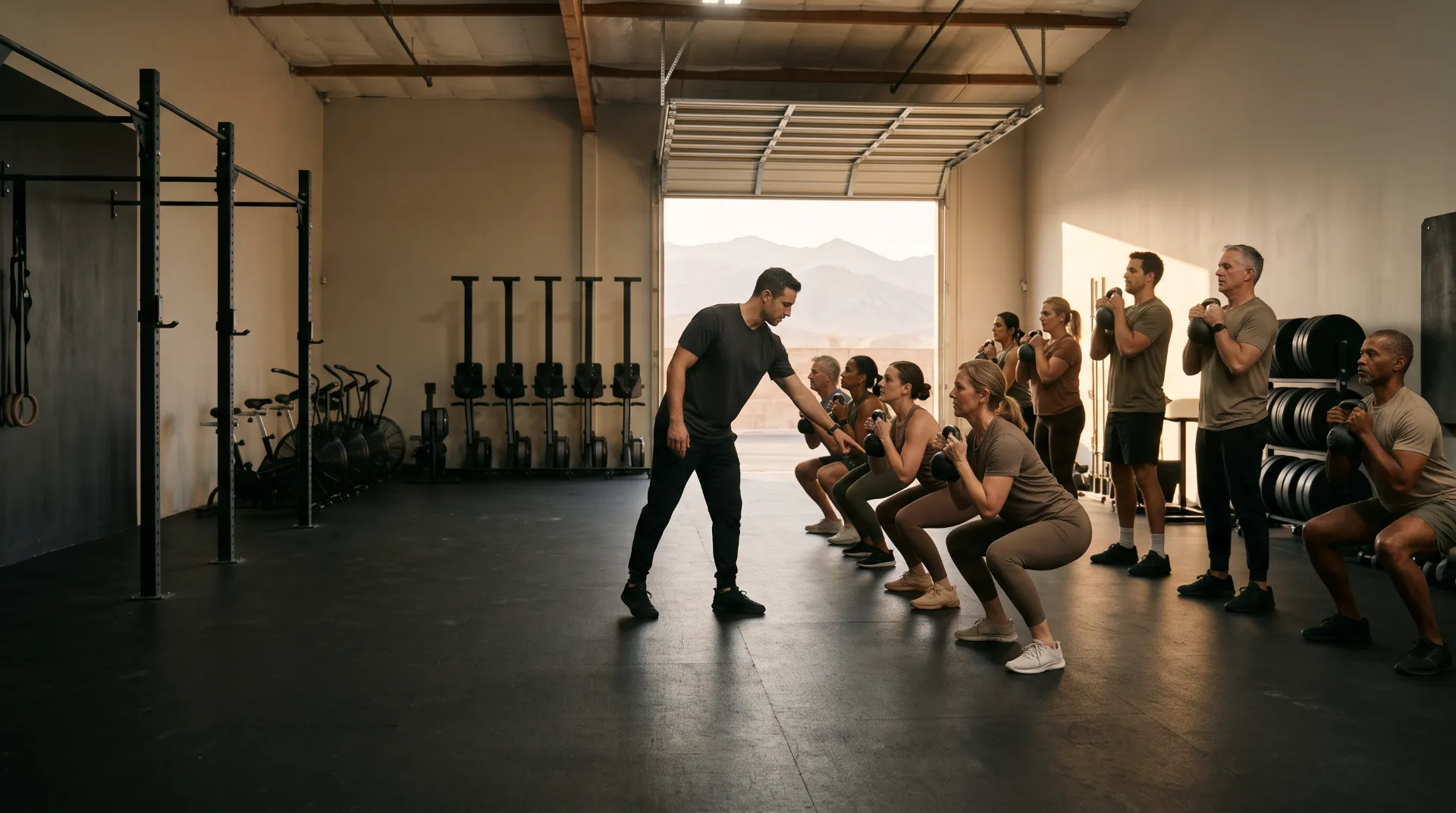
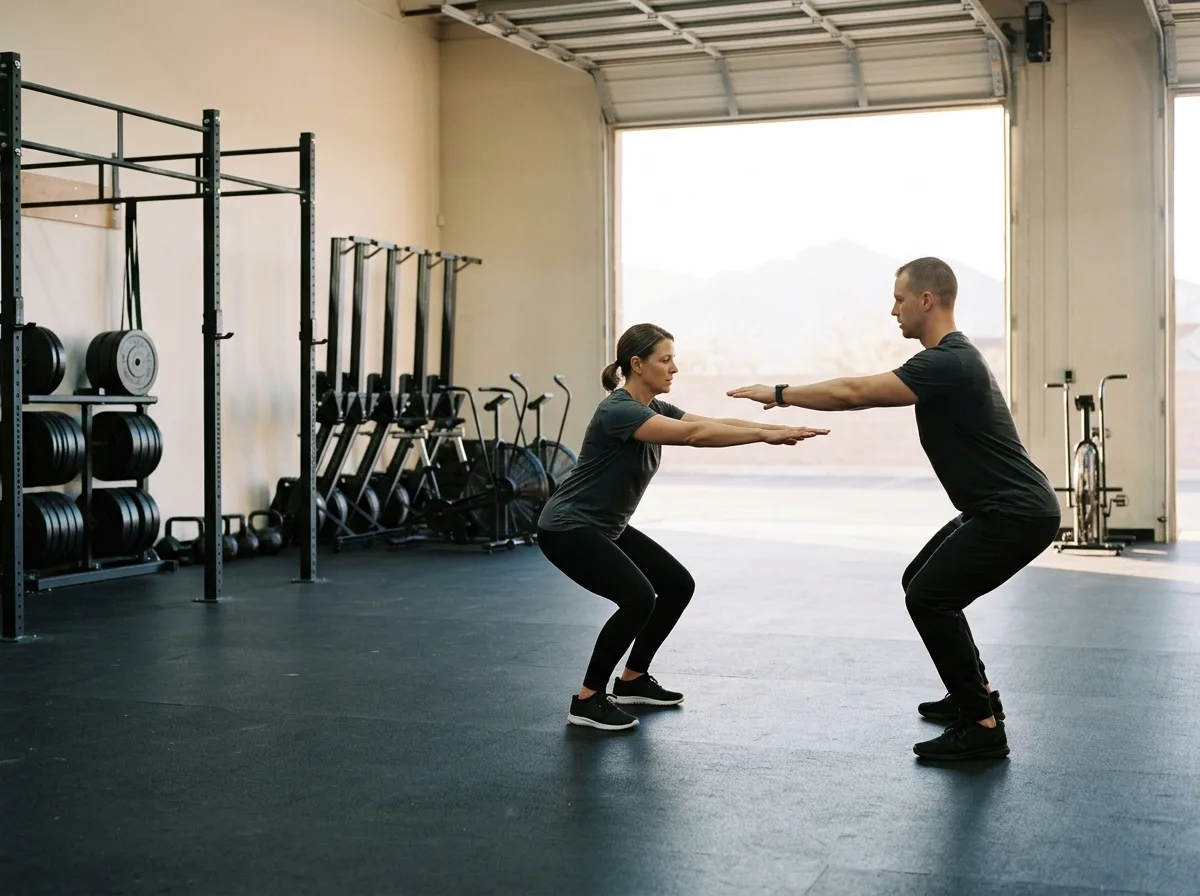
At Talus, coaches adjust load, volume, movement, and intensity so every person can train safely alongside the rest of the class. When pull-ups are on the board, several practical options can build the muscles and control you need:
- Ring rows: Pulling your chest toward gymnastic rings lets you adjust difficulty by changing your foot position and body angle, making it easy to find a challenging yet controlled effort.
- Band-assisted pull-ups: A resistance band takes some bodyweight off the bottom of the pull so you can practice the full range of motion with steady form.
- Jumping negatives: Using a small jump or box to reach the top position and then lowering yourself under control for several seconds builds strength through the lengthening phase.
- Hanging and grip work: Holding onto the bar or rings builds forearm endurance and shoulder stability so your grip does not give out before your back and arms do.
Building Volume Over Months
Upper-body pulling strength develops gradually as your shoulders, arms, upper back, and grip adapt to regular work. Trying to force full pull-ups too soon or doing huge sets before your form breaks down usually slows progress. Consistent training over months, paired with rest days between hard sessions, lets you add small amounts of volume or slightly harder variations over time.
How a Coach Chooses the Option for You
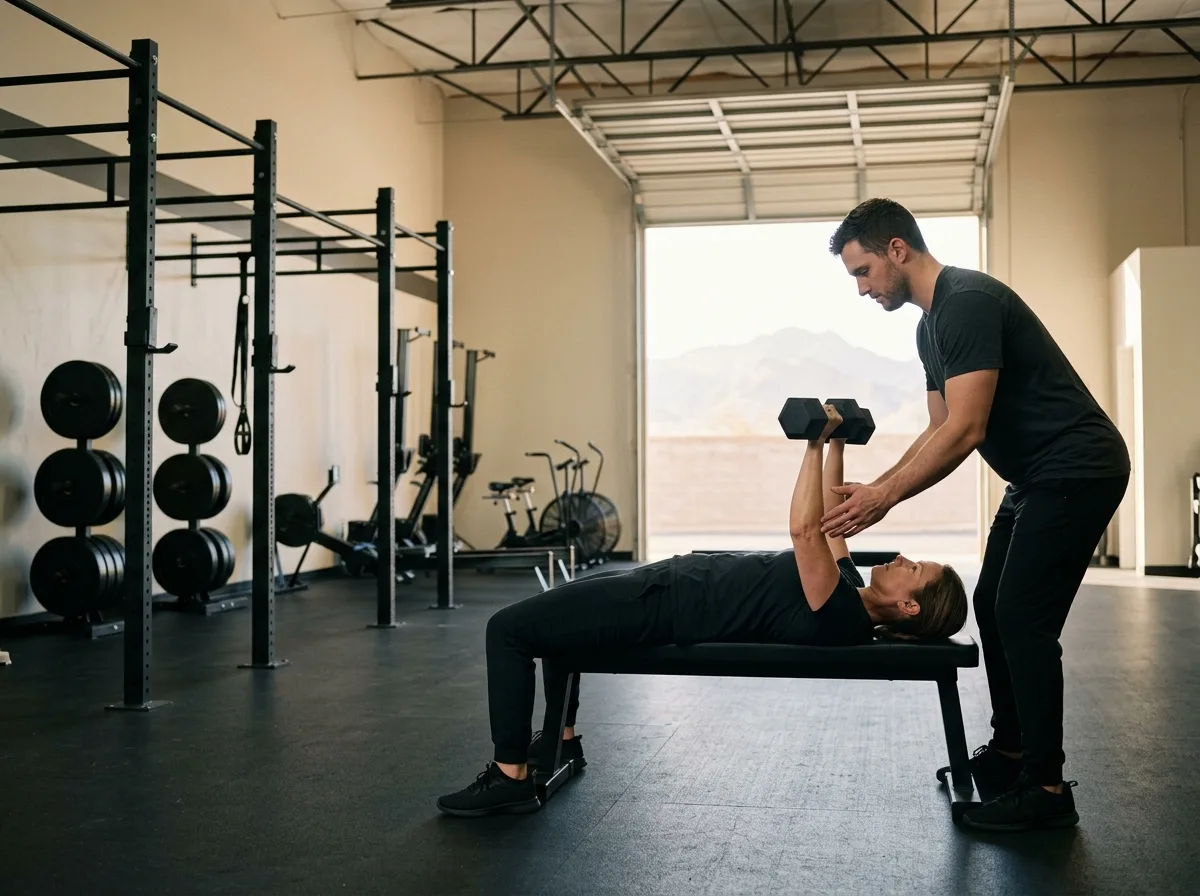
In a group class, your coach looks at how smoothly you control the movement, whether you can maintain a steady position through the full range of motion, and how the workout is structured. If a workout calls for larger numbers of reps, a ring row or controlled set size often keeps you moving well without wearing out your grip on the first round. If you are working on strict control, a slow negative or measured band-assisted set may make more sense.
Common Mistakes When Building Pull-Up Strength
Trying to jump straight to full pull-ups before you can control the movement often leads to half reps, swinging, or straining your shoulders and grip. Scaling is there so you can train the right pattern at a level you control.
- Cutting the range of motion short: Choose a ring angle or band setup that lets you finish each rep cleanly rather than stopping halfway.
- Rushing the lowering phase: On negatives, lower yourself with steady control instead of dropping straight down at the bottom.
- Overdoing volume too fast: Add reps gradually across weeks and take rest days between hard sessions so your grip and upper back recover.
How Pull-Up Training Changes With Experience
Early on, your focus is on learning body tension, grip endurance, and smooth pulling mechanics through options like ring rows, band-assisted reps, negatives, and hangs. Over months of steady practice, those building blocks add up.
As your strength grows, you can move to lighter assistance, more controlled sets, or strict repetitions when your form stays solid. Open gym on Friday evenings and Sunday mornings also gives members who have finished On-Ramp extra time to practice skills at their own pace.
If you have shoulder discomfort, an injury, or another health concern, check with your healthcare provider and share any limitations with your coach before class so they can choose an appropriate option. When you are ready to talk through your starting point, book a free intro for a 30-minute sit-down with a coach at the gym, including a tour and a conversation about your goals, experience, schedule, and limitations, with no workout and no obligation to join.