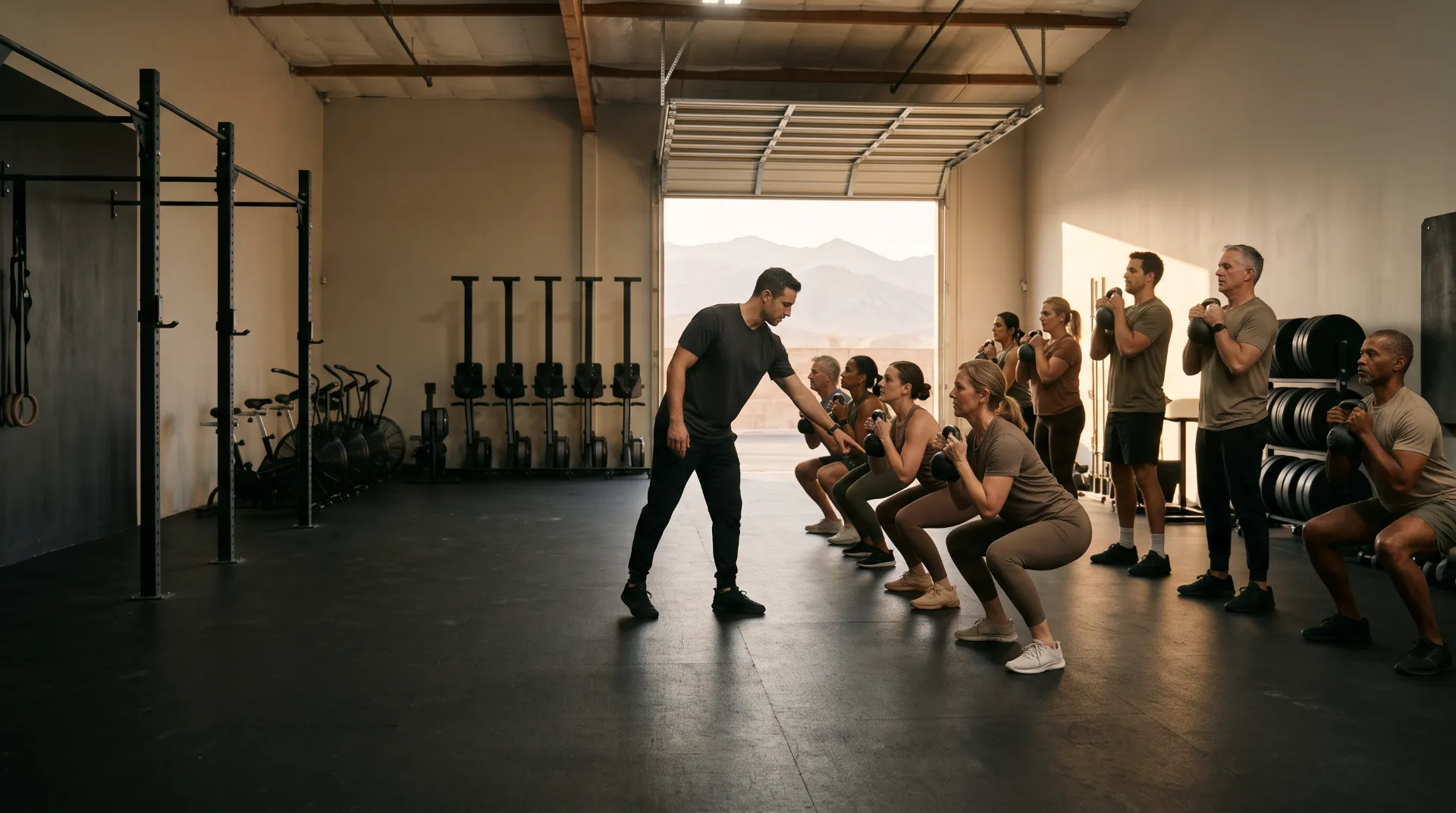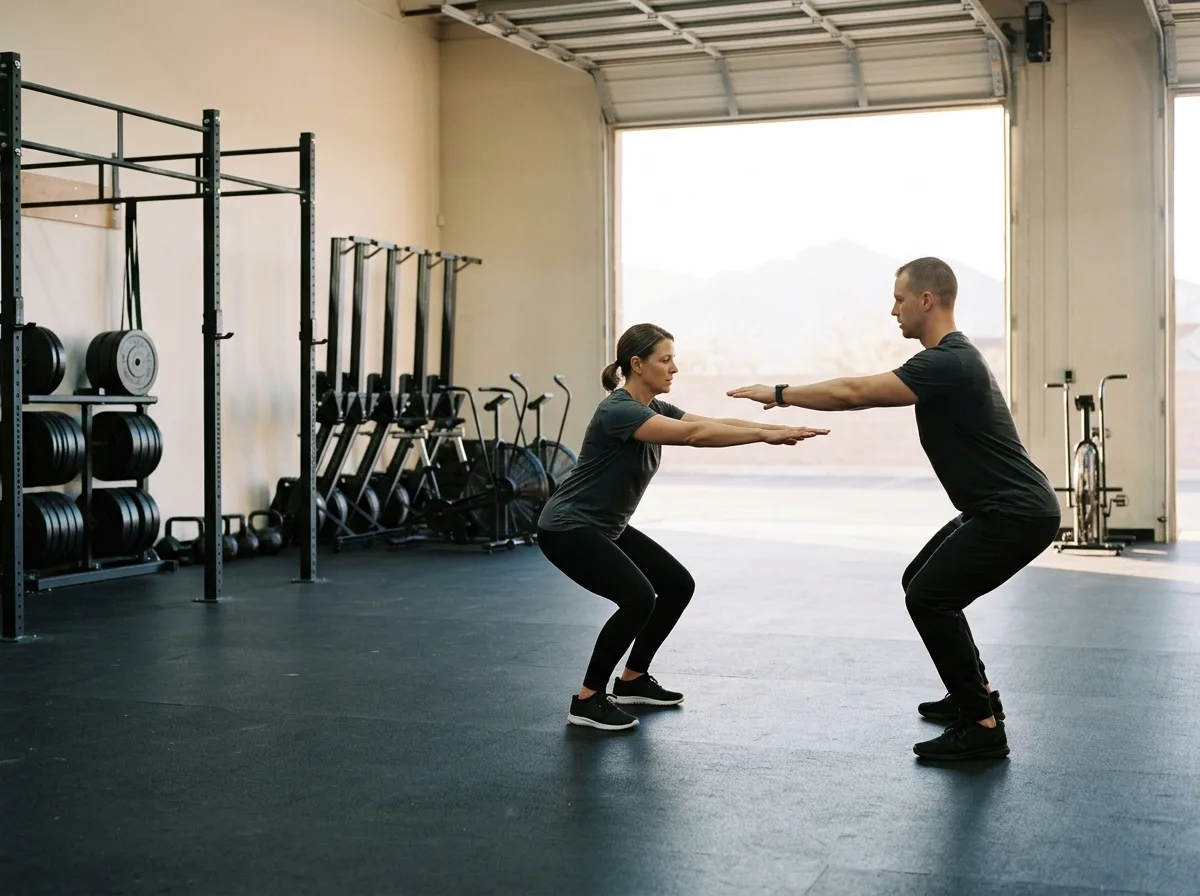
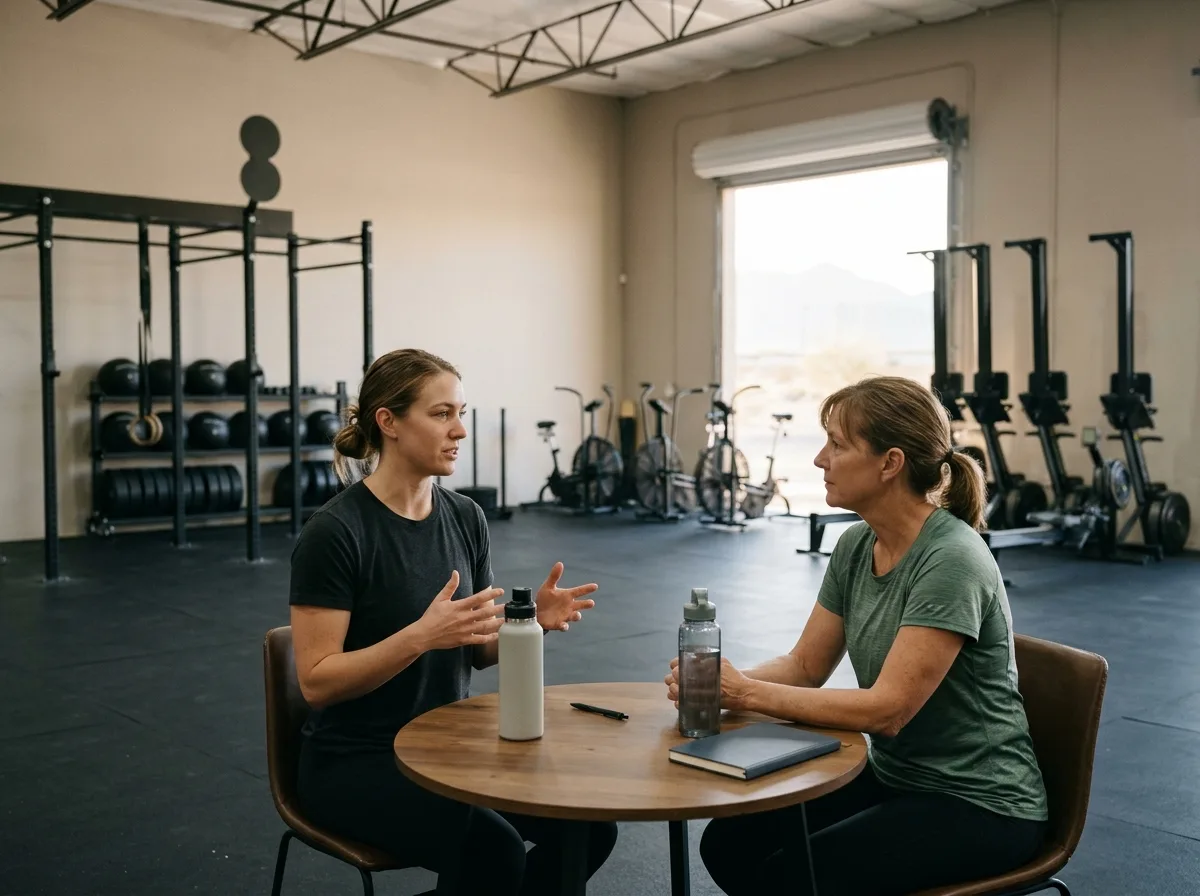
What you eat around your workouts does not need to be complicated to support steady training. At Talus, group classes run 60 minutes with a warm-up, movement instruction, strength or skill work, the main workout, and cooldown, so having fuel that sits comfortably in your stomach makes a noticeable difference. The most reliable approach is keeping meals and snacks familiar, practical, and consistent.
Before class: familiar food and timing
Give yourself enough time to digest a meal before training so you are not feeling heavy during squats, carries, or conditioning work. Many people do well eating a regular meal a couple of hours beforehand, or having a smaller, familiar snack closer to class if time is tight. Avoid trying brand-new foods right before a hard session so you know how your body responds.
Early morning classes and warm weather
Early morning classes at 5:00 am, 6:00 am, or 7:00 am are popular, especially during hot Las Vegas summers. If you wake up right before class and cannot eat a full meal, a small, easy-to-digest bite or a sip of water before heading out can be plenty. In Las Vegas heat, paying attention to hydration before and after training is especially important as you head into early morning or evening sessions.
After class: a regular meal with protein
Once class wraps up and you cool down, aim to eat a regular meal that includes protein along with everyday carbohydrates and fats. You do not need special powders or supplement claims to eat well after training; whole, recognizable foods arranged into normal meals work well for most schedules.
- Keep it consistent: Repeat simple meal combinations that fit your budget and cooking time.
- Plan around your day: Match meal timing to midday, after-work, or Saturday classes.
- Check with a professional: If you manage a medical condition or have specific health concerns, check with your healthcare provider.
Common mistakes before and after a session
One frequent mistake is eating a heavy, unfamiliar meal right before class and feeling sluggish once conditioning starts. Another is skipping food for hours after training when a normal meal is already on your calendar. Keep pre-workout choices simple and tested on lighter days, and treat post-workout eating as an ordinary meal rather than a complicated project.
Adjusting as your training routine grows
As you attend more classes or add specialties like Olympic weightlifting, HYROX training, or Prime classes, your weekly rhythm becomes easier to read. You will notice which foods sit comfortably before heavy lifting versus faster conditioning, and you can adjust portion sizes and meal timing around your actual training days rather than guessing.
If you are looking for a coach-led gym in Las Vegas to build steady training habits, book a free intro and come talk with our team.